
Product
BS100 Intelligent Battery Station
DJI · AIQ-0001
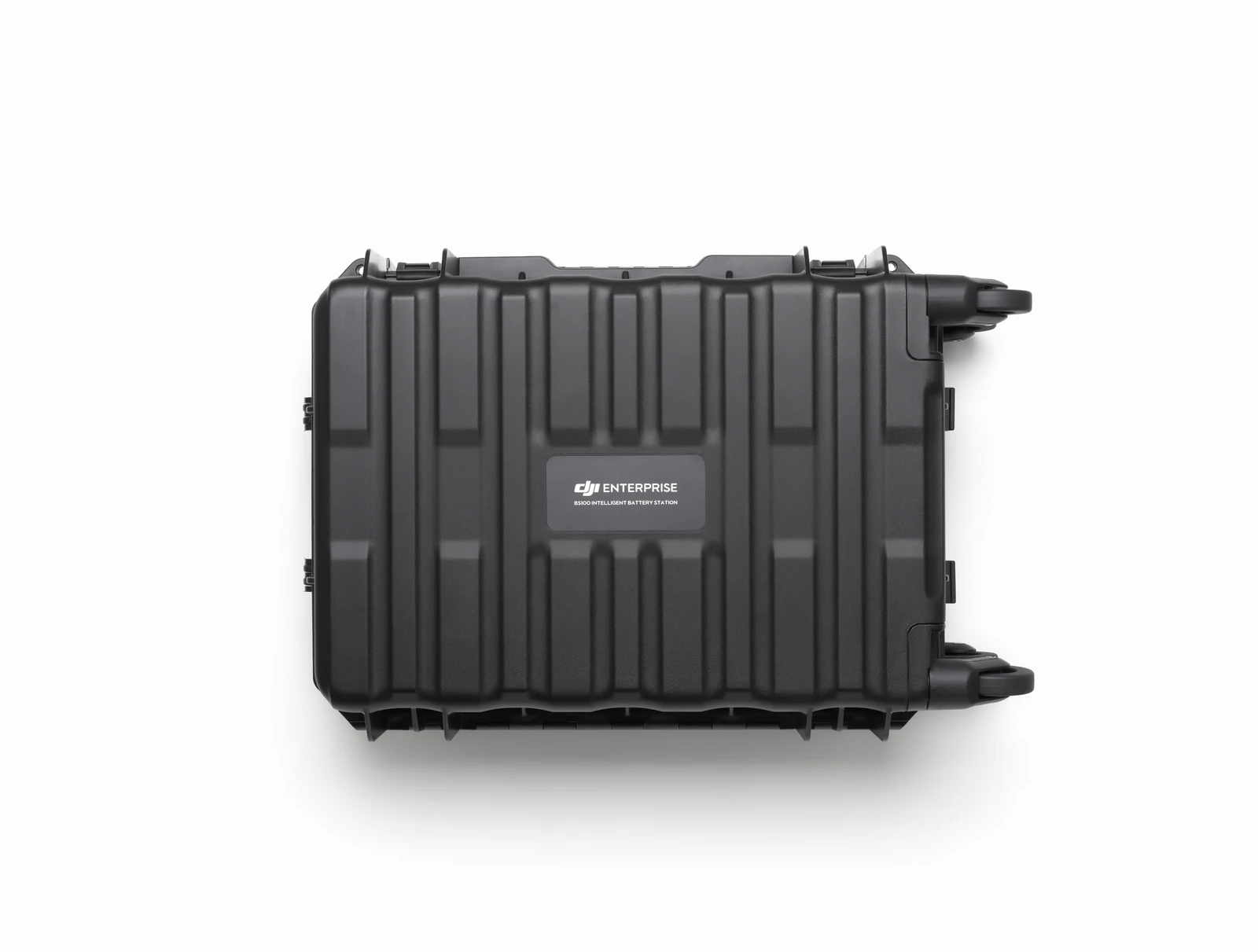
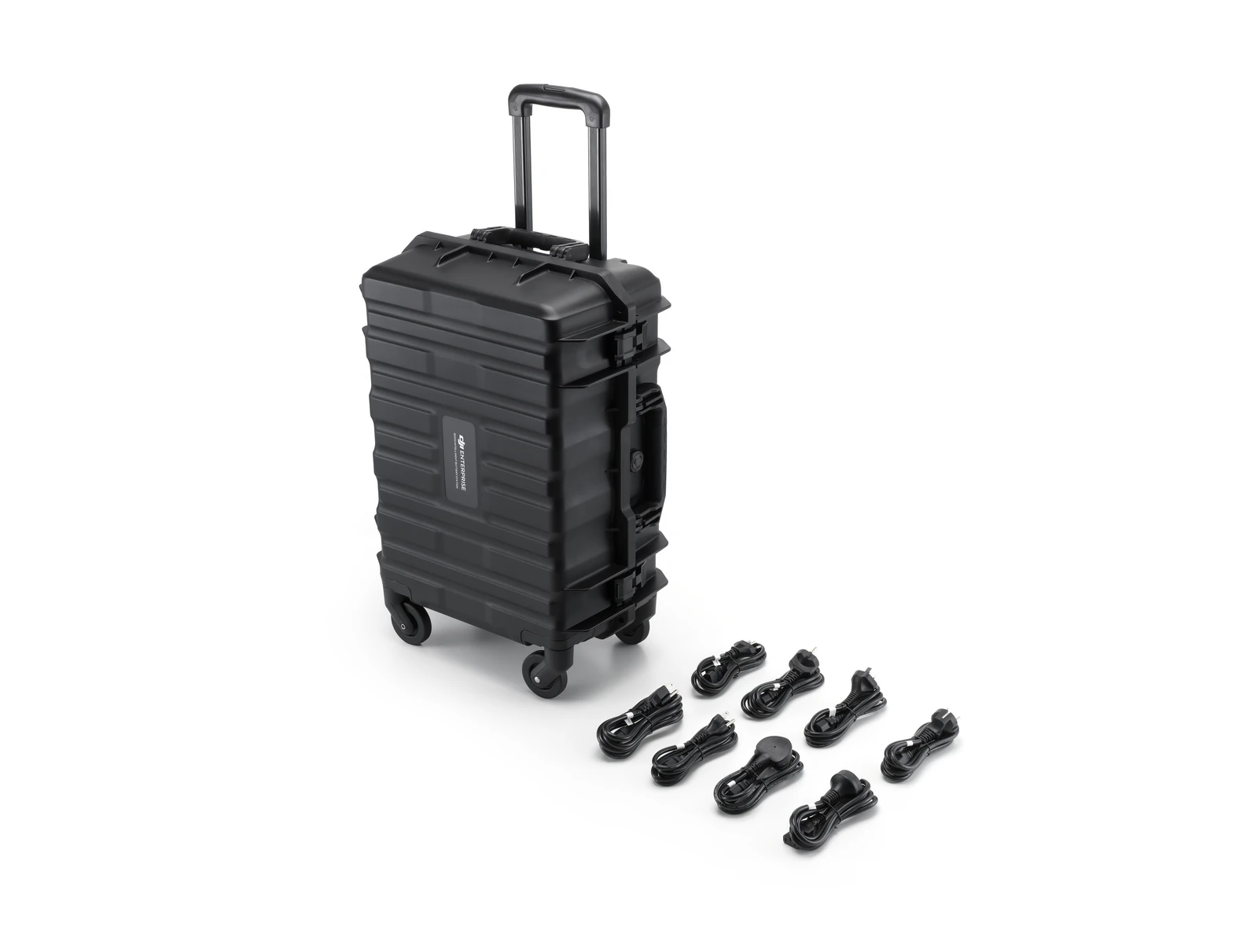
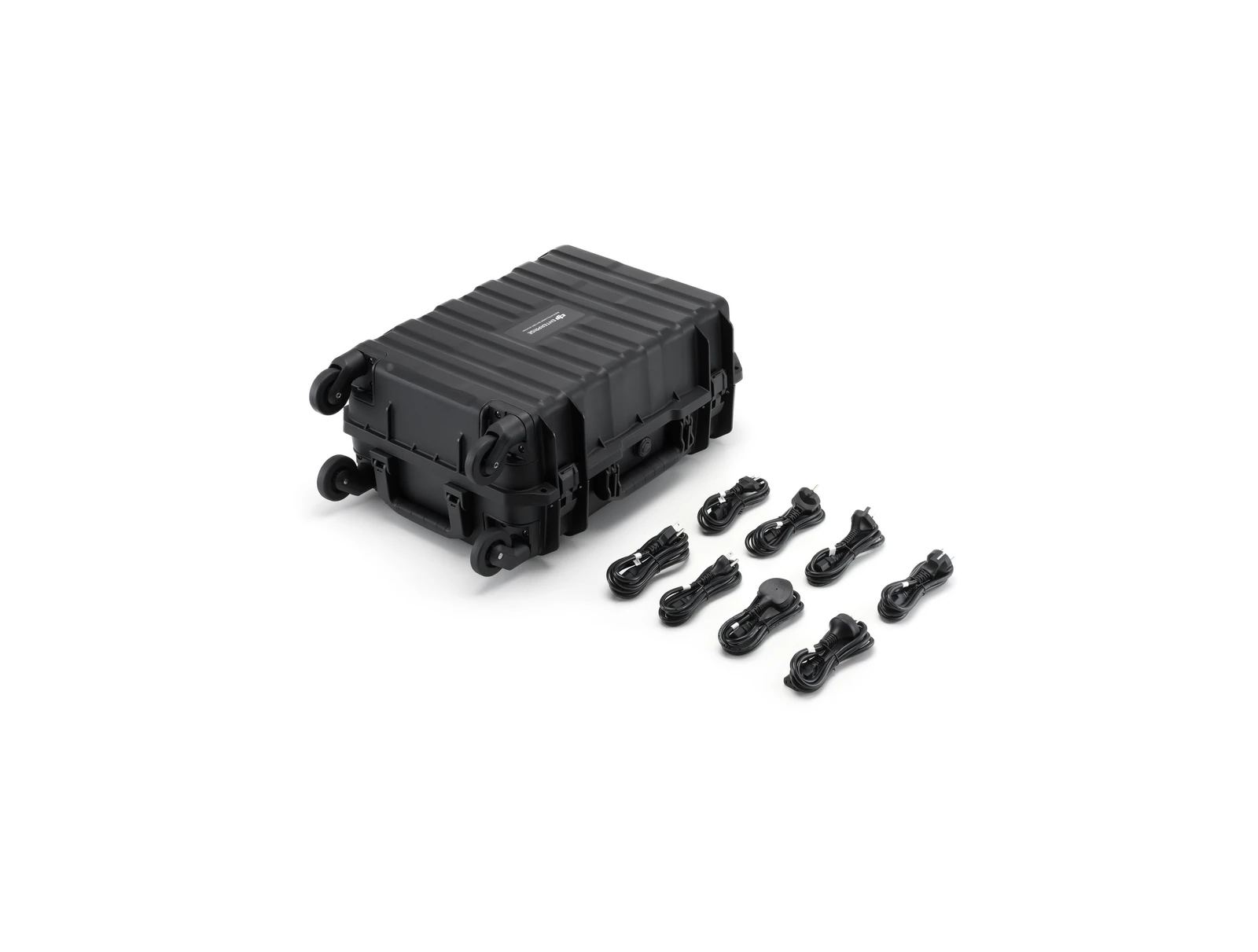
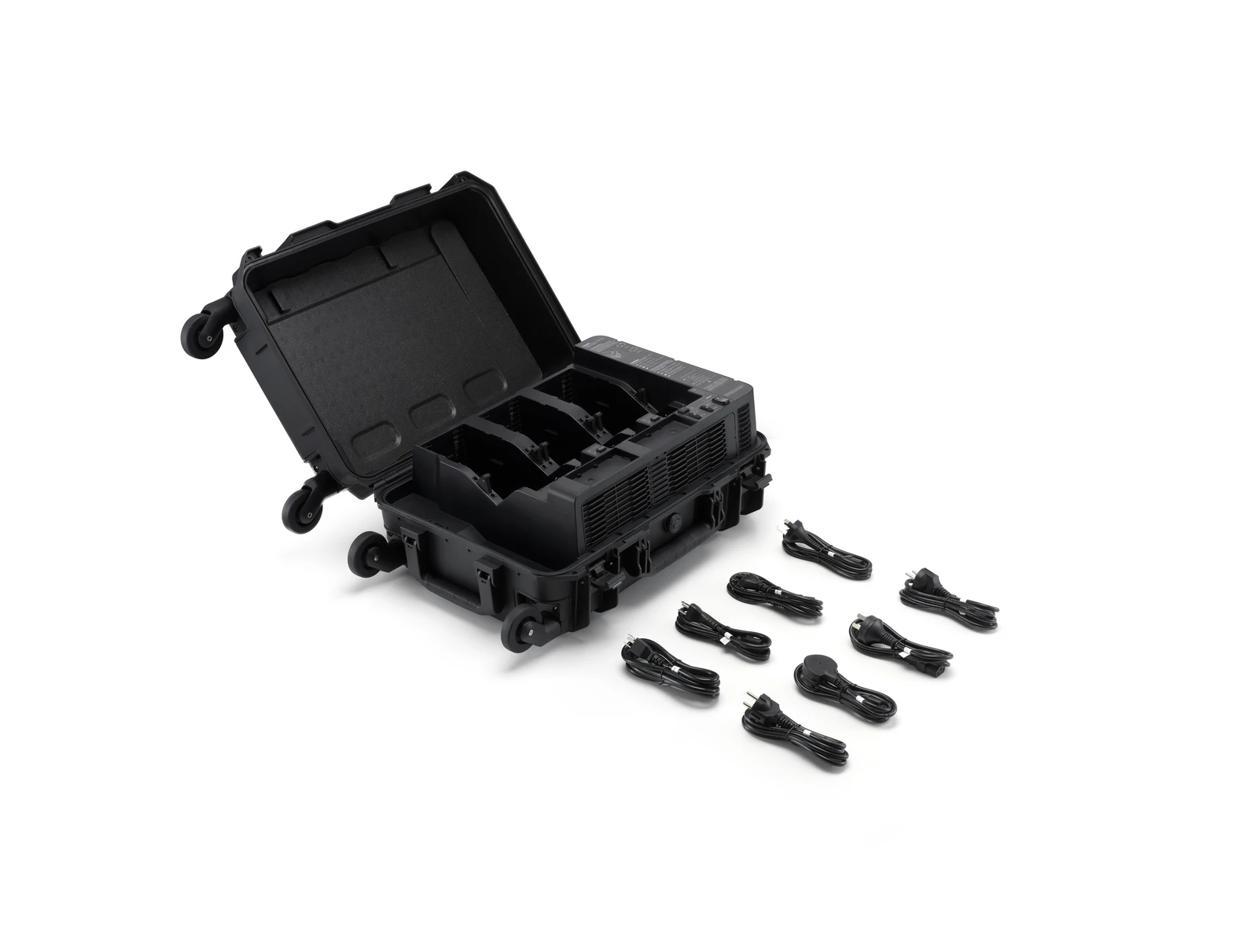
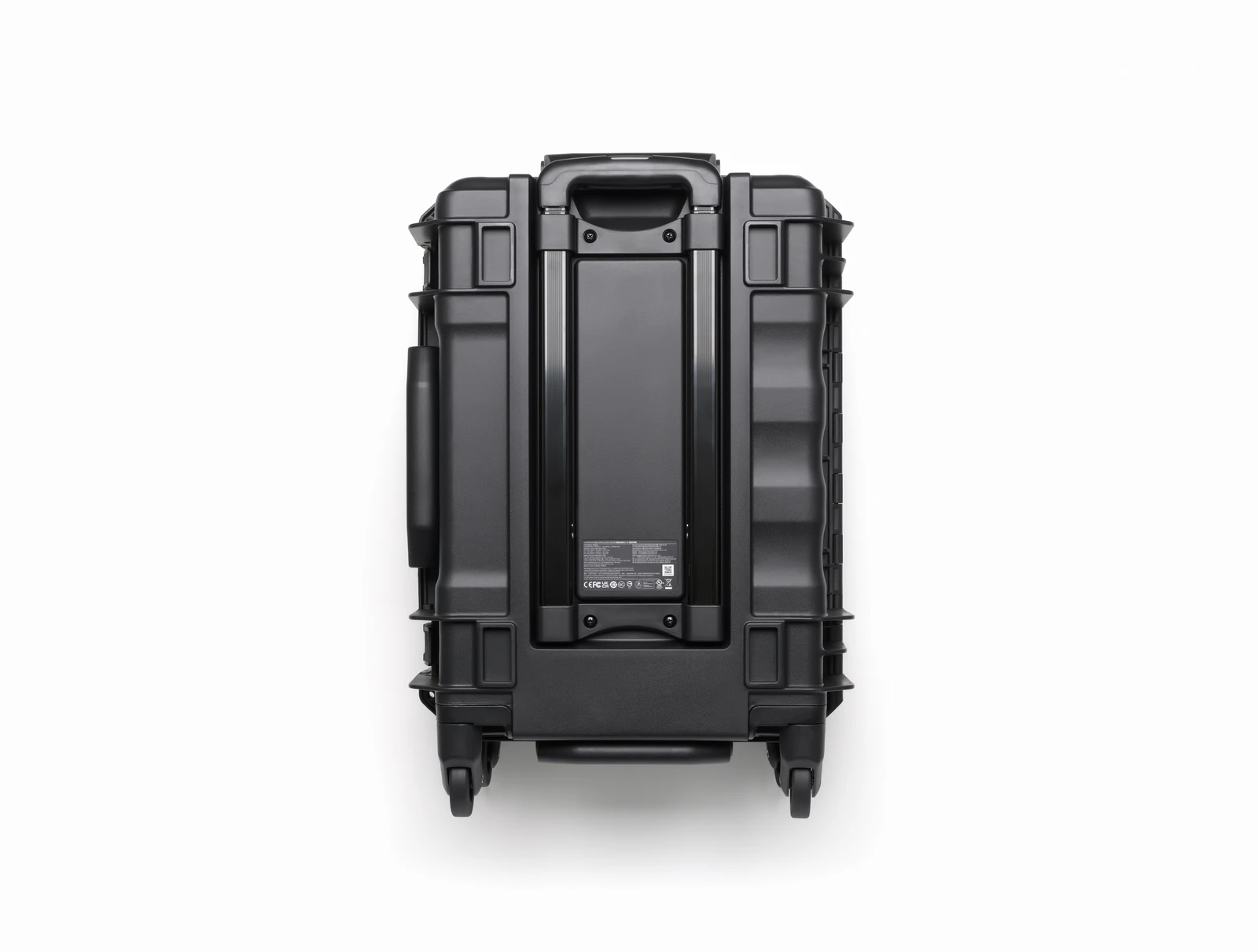
The Matrice 400's battery station: three TB100 channels plus two WB37, drawing up to 2,184 W.
- Flight battery channels3
- Power output2,184 W
- Weight11.8 kg
Overview
About this product.
The BS100 charges the Matrice 400’s batteries: three TB100 or TB100C flight batteries and two WB37 batteries, in one 11.8 kg unit.
Available power depends on the supply it is given, and the difference is large: roughly 1,185 W on a 100–110 V input, 1,474 W on 110–180 V, and 2,184 W on 180–240 V. On a New Zealand 230 V supply it runs in the top band. It takes 100–240 V AC at 50–60 Hz, 10 A.
Key capabilities
- Charges three TB100 or TB100C flight batteries
- Two additional WB37 channels
- Up to 2,184 W on a 180–240 V supply
- 100–240 V AC input, 50–60 Hz
- 11.8 kg
Typical applications
Matrice 400 fleet turnaround, and any operation running more than one set of batteries.
Technical data
Specifications.
| Charging | |
|---|---|
| Flight battery channels | 3 |
| WB37 channels | 2 |
| Supported batteries | TB100 · TB100C · WB37 |
| Power output (180–240 V) | 2,184 W |
| Power output (110–180 V) | 1,474 W |
| Power output (100–110 V) | 1,185 W |
| General | |
| Input | 100–240 V AC, 50–60 Hz, 10 A |
| Weight | 11.8 kg |
Questions
Questions we’re asked.
Charging
What does it charge, and how fast?
Three TB100 or TB100C batteries and two WB37 controller batteries, in sequence. One TB100 takes about 45 minutes to full in fast mode on 220 V, or 110 in silent mode; on 110 V, about 70 or 110, DJI’s figures at 25°C. Ready-to-Fly mode charges to 90%.
What is its maximum output?
54.6 V DC on the TB100 interface, at up to 21.7 A on 100–110 V input, 27 A on 110–180 V and 40 A on 180–240 V.
Anything to know about the WB37 in the station?
Press the unlock button before removing a fully charged WB37. The station’s USB-C port also charges the RC Plus 2 Enterprise.
Talk to AeroIQ